

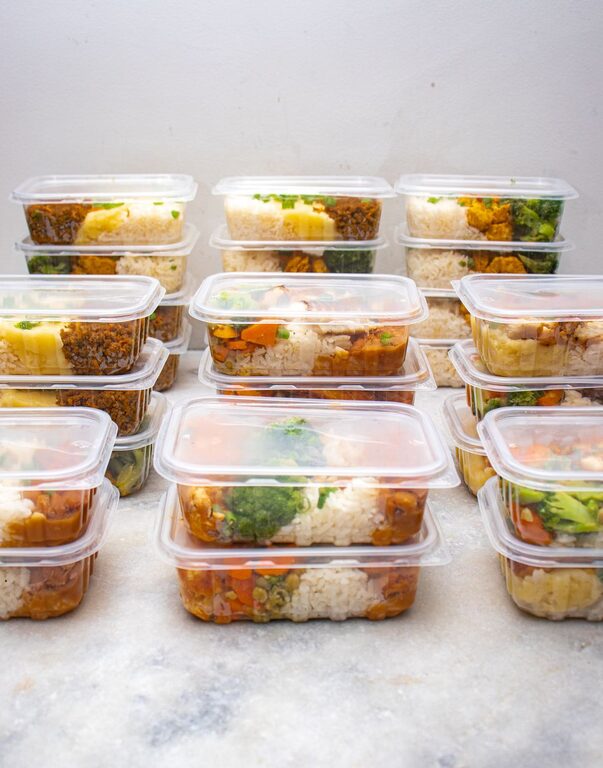
Food waste can happen in small ways: a forgotten container at the back of the fridge, vegetables that are not used in time, or leftovers that never make it onto a plate. These habits may seem minor, but they can add up over time.
The good news is that reducing food waste does not require a complete lifestyle change. A few simple routines can help you buy only what you need, store food properly, and make the most of the ingredients already in your kitchen.
Plan Before You Shop
A little planning can prevent unnecessary purchases and make meals easier throughout the week.
Check What You Already Have
Before writing a grocery list, look through your fridge, freezer, and cupboards. Take note of foods that need to be used soon. You may already have enough ingredients for a meal or two.
Pay special attention to:
– Produce that is becoming soft or ripe
– Dairy products nearing their best-before dates
– Open packages in the fridge or pantry
– Frozen food that has been stored for a long time
– Leftovers that should be eaten soon
Organizing food so that older items are easy to see can also help. Place newer products behind older ones, and keep foods that need to be used first near the front.
Plan Flexible Meals
A strict meal plan can be difficult to follow when schedules change. Instead, plan a few main meals and leave room for flexible options, such as soup, pasta, stir-fry, sandwiches, or grain bowls.
Choose meals that share ingredients. For example, a bunch of spinach can be used in omelettes, salads, pasta, and smoothies. A roast chicken can become sandwiches, soup, or a salad topping the next day.
Shop with Purpose
Shopping carefully is one of the easiest ways to prevent food waste.
Make a Realistic List
Base your shopping list on the number of people in your household, your schedule, and the meals you expect to prepare. Avoid buying large quantities simply because they appear to offer better value. If the food will not be eaten, the saving is lost.
Before shopping, consider:
– How many meals you will prepare at home
– Whether you have plans to eat out
– How much storage space you have
– Which foods are already in your kitchen
– Whether you can freeze extra portions
A list on your phone or a reusable notepad can make it easier to stay focused.
Be Careful with Promotions
Multi-buy offers can be useful for foods your household regularly eats, especially if they can be frozen or stored for a long time. However, buying more than you can use may lead to waste.
For fresh foods, choose smaller amounts when possible. You can always return to the shop later rather than buying too much at once.
Store Food Properly
Proper storage can extend the life of many foods and preserve their quality.
Use the Fridge Wisely
Keep your refrigerator at a suitable temperature and avoid overfilling it. Air needs to circulate around food to keep it cool.
Store foods in the right places:
– Keep dairy products on shelves rather than in the door, where temperatures can change more often.
– Store fresh herbs in a jar of water or wrap them lightly in a damp towel.
– Keep berries dry until you are ready to eat them.
– Place foods that need to be used soon in a visible area.
– Store leftovers in sealed containers with the date written on them.
When putting leftovers away, divide large amounts into shallow containers so they cool more evenly and are easier to reheat.
Understand Food Dates
Best-before dates generally indicate freshness and quality, while expiration dates may relate to safety. Read the label carefully and use your judgement. Some foods may still be suitable after a best-before date if they have been stored properly and show no signs of spoilage.
When in doubt, check the product packaging or follow guidance from a reliable food safety source. Never eat food that has an unusual smell, appearance, or texture.
Freeze Food Before It Goes Bad
Freezing is a practical way to save food for later. Freeze bread, ripe fruit, grated cheese, cooked grains, chopped vegetables, and extra portions of meals.
For the best results:
– Use freezer-safe containers or bags.
– Remove excess air where possible.
– Label items with the name and date.
– Freeze food in portions that suit your household.
– Keep a simple list of what is in the freezer.
This prevents frozen food from becoming forgotten food.
Make the Most of Ingredients
Many foods that are often discarded can still be used in creative ways.
Use Soft or Ripe Produce
Slightly soft fruits and vegetables may not be ideal for eating raw, but they can work well in cooked dishes. Add ripe bananas to muffins, soft tomatoes to sauces, or wilted greens to soup and pasta.
Other useful ideas include:
– Roast vegetables that are past their freshest stage.
– Add ripe fruit to smoothies.
– Turn apples or pears into a simple crumble.
– Use limp herbs in sauces, dressings, or cooked meals.
– Add vegetable trimmings to homemade stock, where appropriate.
Remove any spoiled sections and use the remaining food only if it is still suitable to eat.
Cook with Scraps
Some parts of food that are commonly discarded can add flavour or texture. Vegetable stems, broccoli stalks, celery leaves, and herb stems can be chopped and added to soups, sauces, or stir-fries.
Bread that is no longer soft can become breadcrumbs, croutons, or a topping for casseroles. Citrus peels can add flavour to baking or homemade dressings, provided they are clean and suitable for the purpose.
Manage Leftovers
Leftovers are convenient, but they need a plan.
Store Them Promptly
After a meal, place leftovers in the fridge or freezer within a reasonable time. Use clean containers and label them clearly. Try to eat refrigerated leftovers within the recommended time for that food.
A “leftover night” once a week can help clear the fridge. You can also combine small amounts of food into a new meal, such as a vegetable frittata, fried rice, soup, or wrap.
Serve Smaller Portions
Serving too much food can create avoidable waste. Start with smaller portions and allow people to take more if they are still hungry. This is especially helpful when serving children or trying a new recipe.
If food remains on a plate, consider whether it can be saved safely for later. If not, serve less next time and adjust the amount you prepare.
Create a Kitchen Routine
Simple routines make waste reduction easier to maintain.
Once or twice a week, take a few minutes to:
– Check the fridge for food that needs attention.
– Move older items to the front.
– Review the freezer.
– Plan a meal using leftover ingredients.
– Clean up spills and remove spoiled food.
– Update your shopping list.
You can also keep a note of foods that are often wasted in your home. If lettuce regularly goes unused, buy less or choose a longer-lasting alternative. If leftovers are forgotten, use clear containers and set a reminder.
Reducing food waste is not about being perfect. It is about noticing what gets thrown away and making small changes that suit your household. With thoughtful shopping, better storage, flexible cooking, and a regular kitchen check-in, you can save money, simplify meal preparation, and make better use of the food you already buy.