

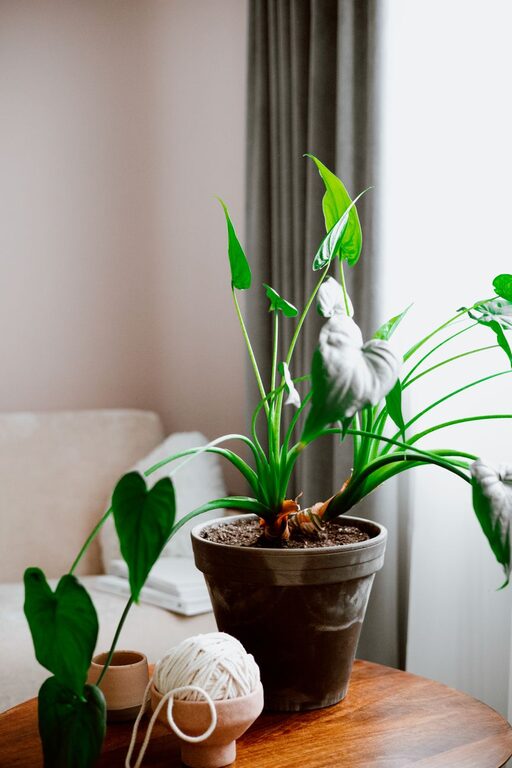
Plants are one of the simplest ways to refresh your home. They add colour, texture, and life without requiring a complete redesign. Whether you live in a spacious house, a small apartment, or a shared rental, a few well-chosen plants can make your rooms feel more welcoming.
You do not need a large collection or expert gardening skills to get started. By choosing plants that suit your space and displaying them thoughtfully, you can create a fresh look that feels natural and personal.
Start by Looking at Your Space
Before buying plants, take a few minutes to consider how each room is used. Look at the available light, the amount of floor and surface space, and the overall style of your décor.
Check the Light
Natural light is one of the most important factors when choosing plants. Notice which windows receive bright sunlight and which areas stay shaded throughout the day.
– Bright, direct light works well for plants that enjoy sunshine.
– Bright, indirect light suits many popular houseplants.
– Low-light areas need plants that can handle limited sunlight.
– Rooms with changing light may be suitable for adaptable varieties.
Avoid placing a plant in a spot simply because it looks attractive there. A beautiful display will not last if the plant does not receive the right amount of light. If you are unsure, start with one plant and observe how it responds over several weeks.
Consider the Room’s Function
Think about how people move through each space. In a busy hallway, a plant placed on the floor may become an obstacle. In a living room, a large plant can fill an empty corner and create a strong focal point.
For bedrooms and offices, smaller plants on shelves or side tables can add interest without taking up much room. In kitchens, compact plants can brighten a windowsill, provided they are kept away from heat and cooking splashes.
Choose Plants That Fit Your Lifestyle
The best plant is one you can care for comfortably. Some plants need regular watering and attention, while others prefer to dry out between waterings.
If you are new to houseplants or have a busy schedule, look for hardy options such as:
– Snake plants
– Pothos
– ZZ plants
– Spider plants
– Chinese evergreens
– Cast iron plants
These varieties are generally forgiving and can adapt to a range of indoor conditions. However, every plant is different, so check the care label before bringing one home.
Consider the size a plant may reach as it matures. A small plant may eventually become a large feature, while a trailing variety may need space to spread. Planning for future growth will help prevent overcrowding.
Create a Green Focal Point
A large plant can transform an unused corner into a feature. Choose a plant with an interesting shape, such as tall, upright leaves or broad, arching foliage. Place it in a simple pot that complements the room.
To make the display feel balanced:
- Position the plant near a piece of furniture, such as a sofa, cabinet, or reading chair.
- Leave enough space for the leaves to grow without touching walls or blocking walkways.
- Use a plant stand or raised pot if the corner feels too low or empty.
- Keep the colours of the pot and nearby furnishings coordinated.
A single statement plant often has more impact than several small plants scattered around the room. It can also make a space feel more polished and intentional.
Add Layers with Plant Stands and Shelves
Varying the height of your plants creates depth and makes a display more interesting. Place plants at different levels using stands, stools, shelves, or wall-mounted planters.
For example, you could create a simple arrangement with:
– A tall plant on the floor
– A medium-sized plant on a stand
– A small plant on a coffee table
– A trailing plant on a high shelf
Be sure that shelves and furniture can safely support the weight of the pots. Water can also damage wood and painted surfaces, so use saucers or protective trays underneath containers.
A small plant shelf can work particularly well in a home office, dining area, or unused section of a kitchen. Keep the arrangement simple and leave some open space so it does not appear cluttered.
Refresh Your Pots and Planters
Changing a plant’s container can make an old display look new. Pots come in many materials, including ceramic, terracotta, metal, wood, and woven fibre. Choose containers that suit your home’s existing colours and textures.
For a calm, coordinated look, use pots in similar neutral shades. For a brighter style, add one or two containers in colours that echo cushions, artwork, or other decorative items.
Keep these practical points in mind:
– Choose a pot with drainage or use an inner pot with drainage holes.
– Match the pot size to the plant’s root system.
– Use a saucer to protect furniture and floors.
– Make sure the container is stable, especially for tall plants.
– Avoid using containers that are difficult to lift when watering.
You can also group plants in matching pots to create a more unified display. Alternatively, mixing different shapes and materials can give the room a relaxed, collected feel.
Use Plants to Define Areas
Plants can help separate areas in an open-plan home without building walls. A row of medium-sized plants can mark the edge of a dining area, while a large plant can create a soft boundary between a living room and a workspace.
Try placing plants:
– Beside a desk to create a visual work zone
– Near a reading chair to make the area feel inviting
– Along an open shelf to divide sections
– Beside a console table in an entryway
– Around a balcony door to connect indoor and outdoor spaces
Use plants sparingly when defining areas. Too many can make a room feel crowded and may reduce the sense of openness.
Bring in Texture and Colour
Plants are not only about green leaves. Different leaf shapes and surface textures can change the mood of a room. Smooth, glossy leaves create a fresh and modern look, while feathery or patterned leaves add softness and detail.
You can also choose plants with varied colours, such as deep green, pale green, silver, or burgundy foliage. Use these shades to complement your existing décor rather than compete with it.
If your room has mostly neutral furnishings, plants can provide a natural accent. If the space already includes bold colours and patterns, plants with simple green leaves may create a more balanced appearance.
Build a Simple Care Routine
A refreshed home should be enjoyable to maintain. Set aside a few minutes each week to check your plants. Look at the soil, remove dry leaves, and rotate containers so growth remains even.
A basic routine may include:
– Checking whether the soil is dry before watering
– Wiping dust from broad leaves
– Turning plants towards the light
– Removing damaged or yellowing leaves
– Checking for pests or signs of stress
– Emptying excess water from saucers
Avoid watering every plant on the same schedule. Different varieties, pot sizes, and room conditions affect how quickly soil dries. Follow the care instructions for each plant and adjust as the seasons change.
Make Your Home Feel Fresh Year-Round
Plants can refresh your home in every season. In spring, add new growth and lighter-coloured pots. During summer, move suitable plants closer to brighter windows while protecting them from harsh direct sun. In autumn, introduce warm-toned planters and rearrange displays. In winter, group plants together in bright areas and keep them away from cold draughts.
The goal is not to fill every available surface. A few healthy plants, placed with care, can make a noticeable difference. Start with one room, choose plants that suit your lifestyle, and build your collection gradually. With thoughtful placement and simple care, plants can bring lasting warmth and character to your home.