

Keeping your car clean and organised does not have to be a major project. With a few practical habits and the right storage solutions, you can reduce clutter, protect the interior, and make every drive more comfortable.
A tidy car is also easier to maintain. When everything has a designated place, it is simpler to spot rubbish, remove spills, and find important items when you need them. The key is to create a system that works with your daily routine.
Start with a complete clear-out
Before organising your car, remove everything that does not belong there. Take out shopping bags, sports equipment, reusable cups, paperwork, toys, clothing, and other loose items.
Bring the items indoors and sort them into three groups:
– Keep in the car
– Move to another place
– Throw away or recycle
Be selective about what stays. Most cars need only a few essential items, such as an emergency kit, a phone charger, tissues, reusable shopping bags, and a small rubbish bag. Removing unnecessary items creates more space and makes future cleaning easier.
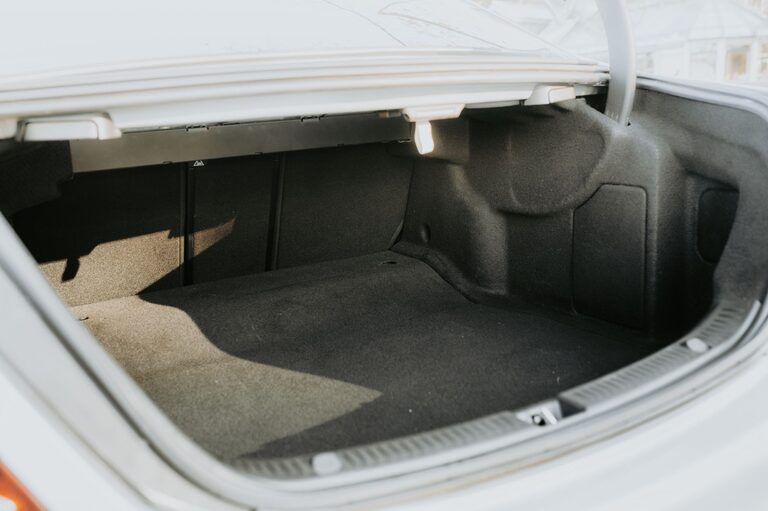
Do not forget the boot or cargo area. It often collects tools, boxes, outdoor equipment, and forgotten purchases. Empty it completely so you can see how much usable space you have.
Create a place for everything
Once your car is empty, decide where each item should go. A designated place prevents loose objects from spreading throughout the cabin.
Useful storage options include:
– A boot organiser for groceries, cleaning supplies, or sports gear
– Seat-back pockets for books, maps, and children’s activities
– A centre-console tray for small everyday items
– A glove-box divider for documents and vehicle information
– Door-pocket containers for tissues or reusable bags
– A small container for coins, cables, or other accessories
Choose storage products that fit your car and do not block visibility or interfere with controls. Items should be secure enough that they will not slide around while driving.
If you regularly carry passengers, keep frequently used items in places that are easy to reach without creating clutter. For example, a compact rubbish container can be placed within the driver’s or front passenger’s reach.
Use the boot efficiently
The boot is one of the most useful storage areas in a car, but it can quickly become disorganised. Use a foldable organiser with separate sections to keep items upright and grouped together.
You might create sections for:
– Shopping and reusable bags
– Outdoor or sports equipment
– Emergency supplies
– Cleaning products
– Work or school items
A non-slip boot mat can help protect the carpet from dirt, wet items, and spills. If you carry muddy footwear, gardening supplies, or pets, consider using a washable liner for easier cleaning.
Keep heavy items low and close to the back of the boot. This helps prevent them from moving around and makes lifting them out safer. Avoid stacking items so high that they block your view through the rear window.
Establish a simple rubbish routine
Rubbish is one of the fastest ways for a car to look untidy. Place a small, leak-resistant rubbish container or bag in an easy-to-reach location. Empty it every time you fill up with fuel or at least once a week.
Avoid leaving food packaging, drink cups, receipts, and tissues in door pockets or under seats. Even small amounts of rubbish can create unpleasant odours and attract dirt.
A useful habit is to take everything that belongs outside the car with you whenever you arrive home. This “empty hands” routine takes only a minute but prevents clutter from building up.
Clean the interior regularly
A full interior clean does not need to happen every day. A short weekly refresh can keep dirt and dust under control.
Follow these steps:
- Remove rubbish and personal items.
- Shake out or vacuum the floor mats.
- Vacuum the seats, carpets, and areas beneath the seats.
- Wipe the dashboard, console, door handles, and other high-touch surfaces.
- Clean the inside of the windows with a suitable glass cleaner.
- Check the boot and wipe up any dirt or spills.
Use a soft microfibre cloth to reduce dust and avoid scratching surfaces. Apply cleaning products to the cloth rather than spraying directly onto buttons, screens, vents, or electronic controls.
For fabric seats and carpets, deal with spills as soon as possible. Blot liquid with a clean cloth instead of rubbing, which can push the spill deeper into the material. Always check the product instructions before using a cleaner on upholstery or trim.
Keep the exterior looking its best
Regular washing helps remove road dirt, salt, dust, and other debris from the car’s exterior. These materials can dull the finish over time, particularly during winter or after driving on dirty roads.
If you wash the car at home, use products made for vehicle surfaces rather than household dish soap. Work from the top down, rinsing your cloth or sponge often to avoid spreading grit.
Pay attention to areas that collect dirt, including:
– Wheel rims and tyres
– Door frames
– Side mirrors
– Front and rear bumpers
– Number plate areas
– The underside of the boot and bonnet edges
Drying the car with a clean microfibre towel can help reduce water spots. If you do not have time for a full wash, a quick rinse can still remove loose dirt and keep the exterior looking fresher.
Protect the interior from daily wear
Small protective measures can make cleaning much easier. Use washable mats to catch mud, water, and grit before they reach the carpet. In wet or snowy weather, remove and dry mats when necessary to help prevent damp smells.
If you transport pets, use a suitable seat cover or boot liner. This can collect hair and dirt while protecting upholstery from scratches and spills. For children, washable seat covers and easy-to-clean organisers can help contain snacks, toys, and art supplies.
Try to avoid eating messy foods in the car. Crumbs and spills are difficult to remove from narrow gaps, seat rails, and cup holders. If you do eat in the car, clean up straight away rather than waiting for a larger mess to develop.
Manage odours at the source
Air fresheners can mask smells, but they do not remove the cause. Look for forgotten food, damp clothing, wet mats, or spills hidden beneath the seats.
After cleaning, allow the interior to air out when weather and security conditions permit. Remove damp items promptly and keep the cabin dry. A small container of odour-absorbing material can also help, but regular cleaning is the most effective long-term solution.
Avoid using strong fragrances if they make the car uncomfortable for you or your passengers. A clean, neutral-smelling interior is often more pleasant than an overpowering scent.
Follow a regular schedule
A cleaning schedule makes car care manageable. Try this simple routine:
Daily
– Remove rubbish and personal items
– Return loose objects to their storage places
– Check for spills
– Take reusable bags and containers indoors
Weekly
– Vacuum the interior
– Wipe high-touch surfaces
– Clean the windows
– Empty and check the boot organiser
Monthly
– Wash the exterior
– Clean the boot and floor mats thoroughly
– Check under the seats
– Review the emergency kit and remove expired or damaged items
A few minutes of attention each day can prevent the need for a long, frustrating cleaning session later. Keep a small cloth, rubbish bag, and suitable interior cleaner in the boot so basic supplies are always available.
The best car organisation system is one that is easy to maintain. Keep only useful items, give everything a home, and build cleaning into your regular routine. With these simple habits, your car can stay cleaner, less cluttered, and more comfortable throughout the year.