

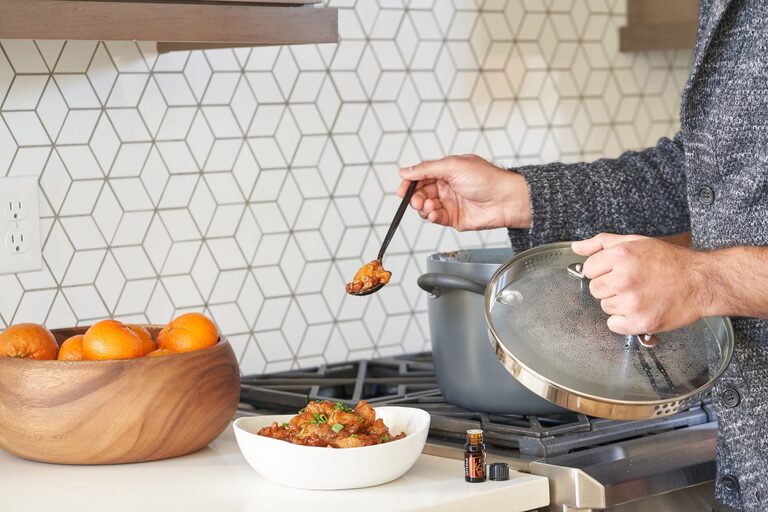
A slow cooker is a handy kitchen appliance that makes it easier to prepare warm, flavourful meals with little hands-on work. It cooks food slowly at a low temperature, allowing ingredients such as meat, vegetables, beans, and grains to develop rich flavour over several hours.
Whether you are new to cooking or simply looking for convenient meal ideas, a slow cooker is easy to use once you understand a few basic rules.
What Is a Slow Cooker?
A slow cooker is an electrical appliance with three main parts:
– A removable ceramic or stoneware insert
– An outer heating unit
– A lid that helps retain heat and moisture
Most models have low, high, and warm settings. Some newer models also include timers, searing functions, or programmable controls.
Slow cookers are designed to cook food gradually. This makes them well suited to stews, soups, chilli, pulled meat, curries, casseroles, and other dishes that benefit from longer cooking times.
Choosing the Right Slow Cooker
Slow cookers come in different sizes. The best option depends on how many people you usually cook for and how much storage space you have.
Common slow cooker sizes
– Small, 1.5 to 3 litres: Suitable for dips, sauces, side dishes, and one or two servings
– Medium, 3.5 to 5 litres: A practical choice for couples or small families
– Large, 5.5 to 7 litres: Useful for larger families, batch cooking, and entertaining
A slow cooker works best when it is neither nearly empty nor completely full. As a general guide, fill it at least halfway and no more than two-thirds full. This allows the food to heat evenly while leaving room for liquids to bubble gently.
Before buying one, check that the insert is easy to lift and clean. A removable, dishwasher-safe insert can make cleanup much simpler.
How the Settings Work
Most slow cookers have three basic settings.
Low
The low setting is useful for recipes that cook over six to eight hours. It is often convenient when you want to prepare dinner in the morning and eat it in the evening.
High
The high setting usually cooks food in three to four hours, although cooking times vary. It can be helpful when you begin preparing a meal later in the day.
Warm
The warm setting is designed to keep already-cooked food at a serving temperature for a short time. It is not intended for cooking raw ingredients.
Cooking times can vary between models, so use the recipe instructions as a starting point. A slow cooker that runs hotter may finish a dish sooner than another model with the same setting.
Preparing Ingredients
A little preparation can improve both the texture and flavour of your meal.
Cut ingredients into similar sizes
Cut vegetables and meat into pieces of a similar size so they cook at roughly the same rate. Larger pieces take longer to become tender.
Place firm vegetables near the bottom
Dense vegetables such as potatoes, carrots, turnip, and parsnips take longer to cook. Place them at the bottom or around the sides of the insert, where they are closer to the heat source.
Add more delicate vegetables later if you want them to keep their shape and texture.
Brown meat first when possible
Browning meat in a frying pan before adding it to the slow cooker can add colour and deeper flavour. It is not always necessary, but it can make a noticeable difference in dishes such as stews and braised meats.
Use a separate pan for browning, then add the meat to the slow cooker along with the other ingredients.
Use less liquid than usual
Slow cookers lose very little moisture because the lid traps steam. As a result, you generally need less liquid than you would for a stovetop recipe.
Avoid covering the ingredients completely unless the recipe specifically calls for it. Too much liquid can make the finished dish watery.
Layering Ingredients
A simple layering method works well for many slow cooker meals:
- Add firm vegetables to the bottom.
- Place meat or plant-based protein on top.
- Add herbs, spices, sauces, and other ingredients.
- Pour in the required liquid around the sides.
- Put the lid on securely.
Try not to lift the lid while the meal is cooking. Each time you remove it, heat escapes and the cooking time may increase. If you need to check the food, wait until most of the suggested cooking time has passed.
Food Safety Basics
Safe handling is important when using a slow cooker.
– Thaw frozen meat and poultry in the refrigerator before cooking.
– Keep raw ingredients refrigerated until you are ready to use them.
– Wash your hands, utensils, and preparation surfaces after handling raw meat.
– Do not use the slow cooker to reheat chilled leftovers.
– Make sure meat, poultry, and other ingredients are fully cooked before serving.
– Refrigerate leftovers promptly in shallow containers.
If you are unsure whether meat or poultry is ready, check the thickest part with a food thermometer. Follow Canadian food safety guidance for recommended internal temperatures.
Do not leave a slow cooker unattended for unusually long periods beyond the recipe’s suggested cooking time. Also, check the appliance’s instructions before using it overnight or while you are away from home.
Beginner Friendly Meals to Try
Slow cookers are especially useful for forgiving, flexible recipes. Good options include:
– Beef or vegetable stew
– Chicken and vegetable soup
– Chilli
– Lentil curry
– Pulled pork or pulled chicken
– Tomato pasta sauce
– Baked beans
– Oatmeal or other warm breakfast grains
Start with a recipe that includes clear ingredient amounts and cooking times. Once you are comfortable, you can adjust herbs, vegetables, and sauces to suit your preferences.
A Simple Slow Cooker Formula
You can create many meals using this basic structure:
– Protein: Beef, chicken, pork, beans, lentils, or chickpeas
– Vegetables: Carrots, potatoes, onions, squash, peppers, or mushrooms
– Liquid: Broth, canned tomatoes, coconut milk, or a modest amount of sauce
– Flavour: Garlic, herbs, spices, ginger, or seasoning blends
Add ingredients that need longer cooking first, and save fresh herbs, dairy, pasta, and quick-cooking vegetables for later when the recipe recommends it.
Pasta and rice can become soft or overcooked if added too early. In many recipes, they are best added during the final part of cooking or prepared separately.
Common Mistakes to Avoid
Overfilling the insert
An overfilled slow cooker may not cook evenly and can be difficult to handle. Keep the contents below the recommended maximum level.
Adding dairy too early
Milk, cream, and some soft cheeses can separate during long cooking. Add them near the end unless the recipe has been designed for extended cooking.
Using too much liquid
Because moisture is retained, extra liquid may dilute the flavour. Begin with less and add more only if needed.
Expecting browning
Slow cookers create tender, moist food but do not usually brown the surface. Brown meat or vegetables in a pan first if you want a deeper colour and toasted flavour.
Cleaning and Storage
Allow the insert to cool before washing it. Sudden temperature changes can damage ceramic or stoneware. Soak stuck-on food in warm, soapy water and use a soft sponge rather than abrasive tools.
Wipe the heating unit with a damp cloth. Never immerse the electrical base in water. Store the appliance with the insert and lid clean and completely dry.
With a few simple habits, a slow cooker can become one of the most useful tools in your kitchen. Start with a straightforward recipe, follow the filling and safety guidelines, and adjust the flavours as you gain confidence.