

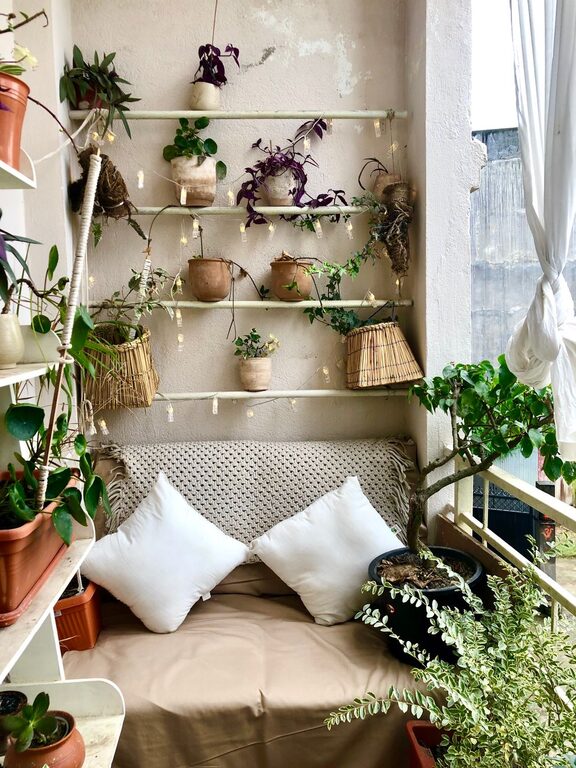
A small balcony can become one of the most enjoyable areas of your home. With a few thoughtful choices, even a narrow outdoor space can feel comfortable, welcoming, and useful. The key is to balance comfort with practicality while choosing items that suit the size of the balcony.
You do not need a large budget or a complete renovation. Soft textures, warm lighting, greenery, and space-saving furniture can make a noticeable difference. Here are simple ways to create a cosy balcony you will want to use in every season.
Start with a simple plan
Before buying anything, measure the balcony and consider how you want to use it. You may want a quiet place for morning coffee, a reading corner, a spot for evening conversations, or a small area for growing herbs.
Think about these questions:
– How much floor space is available?
– Does the balcony receive full sun, partial shade, or mostly shade?
– Is the space exposed to wind or rain?
– How many people will use it at once?
– Do you need room to store items?
Choose one main purpose and build around it. A balcony used for reading may need one comfortable chair and a small table, while a space for entertaining may benefit from two compact chairs or a small bench.
Choose furniture that fits
Furniture has a major effect on how spacious or crowded a balcony feels. Select pieces that are comfortable but appropriately scaled for the area.
Good options for a small balcony include:
– A folding bistro table and chairs
– A compact bench with hidden storage
– A narrow outdoor loveseat
– A sturdy stool that can work as a seat or side table
– A folding lounge chair
– A wall-mounted or railing-mounted table
Foldable furniture is especially useful because it can be moved or stored when you need more room. Stackable stools can also provide extra seating without taking up much floor space.
Avoid filling the entire balcony with furniture. Leave enough space to move around comfortably, even if that means choosing one excellent chair instead of several smaller pieces. A clear walkway will make the balcony feel more open.
Add comfort with outdoor textiles
Textiles instantly make an outdoor area feel warmer and more inviting. Add a seat cushion, a few outdoor pillows, or a lightweight blanket for cool evenings.
Choose fabrics designed for outdoor use whenever possible. They are generally more resistant to moisture, fading, and everyday wear. If you use indoor cushions, bring them inside during wet weather and store them in a dry place.
Try combining two or three complementary colours rather than using too many patterns. Neutral shades such as cream, grey, tan, and soft green create a calm backdrop. You can then add a brighter accent colour through pillows, a small rug, or plant pots.
An outdoor rug can help define the seating area and make the balcony feel more like an extension of your home. Select a flat, weather-resistant rug that allows water to drain easily. Make sure it does not block doors or create a tripping hazard.
Use warm lighting
Lighting can change the mood of a balcony, especially in the evening. Warm, gentle light usually feels more relaxing than bright white light.
Consider these options:
– Battery-powered lanterns
– Solar-powered garden lights
– String lights rated for outdoor use
– Small LED candles
– A compact outdoor table lamp
– Wall lights, if permitted
Hang string lights along a railing or wall, but avoid making the arrangement too busy. A few strands may be enough to create a soft glow. Lanterns can be placed on the floor or table, while LED candles add atmosphere without an open flame.
Always check that lighting is suitable for outdoor use and follow the manufacturer’s instructions. Keep cords secure and away from areas where people walk.
Bring in greenery
Plants add colour, texture, and a sense of privacy. They can also make a small balcony feel more connected to nature.
Choose plants according to the light and weather conditions on your balcony. Sunny spaces may suit herbs, flowering plants, or drought-tolerant varieties. Shadier balconies may work well with leafy plants that prefer indirect light.
To save space, use vertical planting ideas such as:
– Rail planters
– Wall-mounted pots
– Hanging baskets
– A narrow plant stand
– A compact trellis
– A vertical herb garden
Use pots in a consistent colour or material to create a more organised look. Keep larger plants in corners so they do not interrupt the main seating area. Avoid placing heavy planters where they could fall or become unstable in strong wind.
If you are renting, use removable hooks or freestanding plant stands instead of drilling into walls. Always follow building rules and check whether railing planters are allowed.
Create a sense of privacy
A balcony can feel less comfortable when it is fully exposed to nearby homes or busy outdoor areas. A little privacy can make the space feel more like a personal retreat.
Depending on your building’s rules, you could use:
– Tall potted plants
– A lightweight outdoor screen
– A reed or fabric panel
– A trellis with climbing plants
– A curtain designed for outdoor use
Choose a solution that still allows air to move through the space. Avoid attaching large, loose materials that could catch strong wind. A few plants or a partial screen may provide enough privacy without making the balcony feel closed in.
Make the walls and railings work harder
When floor space is limited, look upward. Walls and railings can hold useful or decorative items without taking up valuable room.
You might add a narrow shelf for small plants, a wall-mounted foldable table, or hooks for lanterns and gardening tools. A simple outdoor artwork or weather-resistant mirror can also add personality.
Use only products designed for the surface and weight involved. Avoid overloading railings, and make sure every mounted item is secure. If you live in a rental or shared building, ask for permission before making changes.
Keep storage simple
Clutter can quickly make a small balcony feel cramped. Look for furniture and accessories that serve more than one purpose.
A storage bench can hold cushions, blankets, or gardening supplies. A small weather-resistant box can keep items protected when they are not in use. Folding furniture can be stored against a wall, while a basket can organise smaller items that you use often.
Try to keep only the items that support the way you use the balcony. Store seasonal accessories indoors and bring them out when needed. A tidy space will feel more relaxing and will be easier to maintain.
Add personal touches
The final details should reflect your style. A favourite mug, a small piece of outdoor artwork, or a collection of herbs can make the balcony feel connected to the rest of your home.
You could also create a simple theme, such as:
– A natural retreat with wood, greenery, and neutral fabrics
– A bright garden corner with colourful pots
– A minimalist space with clean lines and limited accessories
– A café-inspired area with a small table and comfortable chairs
Keep the arrangement balanced. Too many decorative pieces can reduce usable space and make cleaning more difficult.
Make it comfortable in every season
Think about how the balcony will work throughout the year. In warmer months, add shade with an umbrella, shade sail, or light curtain if permitted. During cooler weather, keep a blanket nearby and choose cushions that can be stored easily.
Before winter or periods of severe weather, bring in lightweight furniture, textiles, and delicate plants. Secure anything that could shift in strong wind. A little seasonal care will help protect your items and keep the space ready to enjoy.
A small balcony does not need a lot of furniture or decoration to feel cosy. Start with one comfortable place to sit, add warm lighting and a few plants, then build from there. By choosing practical pieces and keeping the layout uncluttered, you can create a welcoming outdoor retreat that feels larger, calmer, and more personal.