

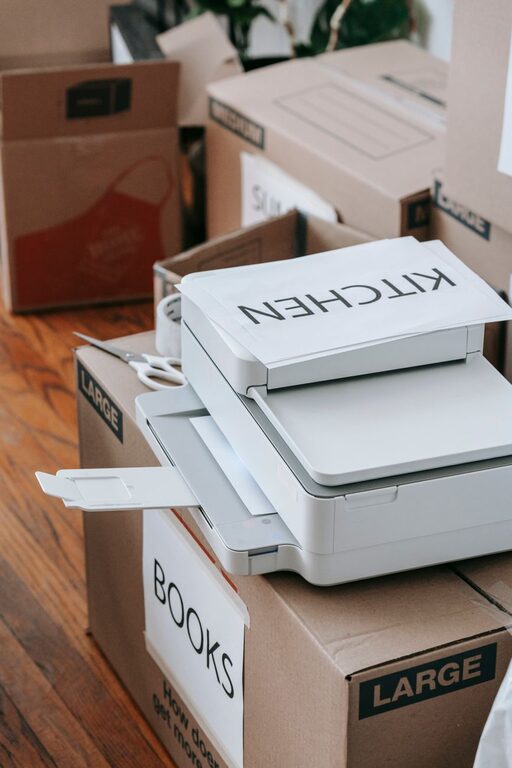
Paper clutter can build up quietly. A few letters on the kitchen counter, receipts in a drawer, school notices in a bag, and instruction manuals on a shelf can soon become an untidy pile. The good news is that you do not need a major weekend project to regain control. A few simple habits can make paper easier to manage and keep it from taking over your home.
Start with one small area
Trying to sort every piece of paper in the house at once can feel overwhelming. Instead, choose one manageable area, such as the kitchen counter, a desk drawer, or the table near the front door.
Set aside 15 to 30 minutes and gather all the paper from that space. Do not worry about sorting the entire household yet. A small, visible improvement can make the next step feel much easier.
As you sort, place papers into four basic groups:
- Action needed
- Keep for reference
- Recycle or discard
- Unsure
The “unsure” group is useful when you are short on time. Place it in a labelled folder and set a date to review it. This prevents hesitation from stopping your progress.
Create a simple paper sorting system
A paper management system does not need to be complicated. In many homes, three or four categories are enough. Use folders, magazine files, or trays that are easy to reach and clearly labelled.
Consider creating these categories:
Action
Use this folder for bills, forms, invitations, appointment reminders, and anything that needs a response. Review it once or twice a week so important tasks do not get buried.
Keep
This category can hold documents that you may need to reference, such as warranties, service records, home information, or school materials. Organize it further only if the volume becomes difficult to manage.
File
Use a separate location for documents that need longer-term storage. Keep this group in a filing box, cabinet, or secure drawer rather than allowing it to remain on a work surface.
Recycle
Place unwanted paper into a recycling bin as soon as you identify it. Shred documents containing personal information before recycling them, following your local recycling guidelines.
Give incoming paper a designated home
Paper often becomes clutter because it has nowhere to go when it enters the home. Set up a small landing zone near the entrance, kitchen, or home office. Add one tray or basket for incoming paper.
When mail arrives, sort it immediately into one of these actions:
- Recycle unwanted flyers and envelopes.
- Move items requiring action to the action folder.
- Place reference documents in the appropriate file.
- Put magazines or newspapers in a reading basket with a clear limit.
Avoid creating several piles in different rooms. One central location makes it easier to see what needs attention and prevents papers from being forgotten.
Reduce paper at the source
The easiest paper clutter to manage is the paper that never enters your home. Review the types of mail and printed materials you receive regularly.
Look for options to:
- Switch statements, notices, and newsletters to digital delivery.
- Unsubscribe from catalogues and promotional mailing lists.
- Decline printed receipts when a digital receipt is available.
- Ask service providers whether they offer paperless communication.
- Cancel subscriptions that you no longer read.
You may not be able to eliminate every paper document, but reducing the flow will make your filing routine much easier.
Set a weekly paper reset
A short weekly reset can stop clutter from returning. Choose a regular time, such as Friday afternoon or Sunday evening, and spend 10 to 15 minutes reviewing your paper tray and action folder.
During the reset:
- Recycle or shred anything that is no longer needed.
- Complete quick tasks, such as signing a form or responding to an invitation.
- Move reference papers to their proper folders.
- Check whether any deadlines are approaching.
- Clear the tray so it is ready for the next week.
A regular reset is more effective than waiting for a large pile to become stressful. If you miss a week, simply restart at the next convenient time.
Use digital tools thoughtfully
Scanning can reduce the amount of paper you need to store, especially for receipts, manuals, and household records. A phone camera or scanning app may be enough for clear digital copies.
Before scanning, ask whether you actually need to keep the document. Digitizing everything can create digital clutter instead of solving the problem.
For useful files, create a consistent naming system. For example, you might use names such as:
- 2026 Appliance Warranty Fridge
- 2026 Home Repair Receipt Kitchen
- 2026 School Notice Field Trip
Store files in a few broad folders, such as Home, Receipts, School, and Personal. Keep the system simple enough that you will continue using it. Back up important digital files and use suitable privacy protections for documents containing personal information.
Handle receipts and manuals efficiently
Receipts are one of the most common sources of paper clutter. Make a decision when you receive one. Recycle it if you will not need it, save it temporarily for a possible return, or store a digital copy if appropriate.
A small envelope or folder can hold receipts for recent purchases. Review it monthly and remove anything that is no longer useful.
Instruction manuals also take up valuable space. Many are available online, so consider recycling paper copies for products you can easily look up. Keep manuals for items that are difficult to identify, expensive to replace, or covered by a warranty.
Make a household filing box
If you do not have a filing cabinet, a portable filing box can work well. Use labelled folders for broad categories, such as:
- Home
- Vehicles
- Education
- Warranties
- Receipts
- Personal records
Avoid creating a separate folder for every small topic. Too many categories make filing feel like a chore. Store the box in a dry, accessible location and review it once or twice a year.
For documents that are difficult to replace or especially important, follow the storage practices recommended by the relevant organization. Keep copies only when they are genuinely useful, and avoid leaving sensitive information in open areas.
Use clear limits for paper collections
Some paper is kept for enjoyment rather than necessity, such as magazines, recipes, children’s artwork, or greeting cards. These items can still be managed with limits.
Choose a container for each collection. When it is full, review the contents before adding more. For artwork, consider photographing favourite pieces and keeping a small selection. For recipes, remove duplicates and transfer the ones you use often to a digital collection or recipe folder.
A physical limit makes decisions easier because you do not need to find endless storage space.
Keep the system easy to maintain
The best paper system is one that fits your household. Place folders where you naturally handle mail, use labels that everyone understands, and avoid rules that require too many steps.
If papers continue to gather in one particular spot, treat that as useful information. You may need to move the tray, add a recycling bin, or create a more convenient folder. Small adjustments can make the system feel natural.
Paper clutter rarely disappears in one session. However, with a clear sorting method, fewer incoming documents, and a brief weekly reset, your home can stay more orderly without constant effort.