

Why habit tracking works
Building a habit is less about making a perfect plan and more about repeating a small action often enough for it to become familiar. Habit tracking helps by making your actions visible. Instead of relying on memory or motivation, you can see what you have done and decide what to do next.
A tracker can also provide useful feedback. It may show that you are more consistent at certain times of day, that a habit is too ambitious, or that a busy schedule regularly interrupts your plans. This information helps you adjust your routine rather than abandoning it.
The goal is not to create a flawless record. The goal is to understand your behaviour, encourage steady progress, and make the desired action easier to repeat.
Choose the right habits
Before creating a tracker, decide which habits are worth tracking. Too many goals at once can make your routine difficult to maintain. Start with one to three habits that are clear, realistic, and connected to something you value.
Good habits are usually:
- Specific: “Read for 10 minutes” is clearer than “Read more.”
- Small: A short action is easier to repeat on busy days.
- Relevant: The habit should support a goal that matters to you.
- Easy to measure: You should be able to tell whether you completed it.
- Time-based: Connecting the habit to a time or event makes it easier to remember.
For example, instead of tracking “be healthier,” you might track “prepare a piece of fruit for tomorrow’s lunch” or “take a 15-minute walk after work.” These actions are concrete and easier to record.
Pick a tracking method you will use
The best tracking system is the one you can use without much effort. A complicated system may look impressive but become another task to manage.
Paper calendar
A wall calendar is simple and visible. Mark each completed habit with a checkmark, dot, or sticker. This approach works well if you enjoy seeing a physical record and keep the calendar in a convenient place.
Notebook or journal
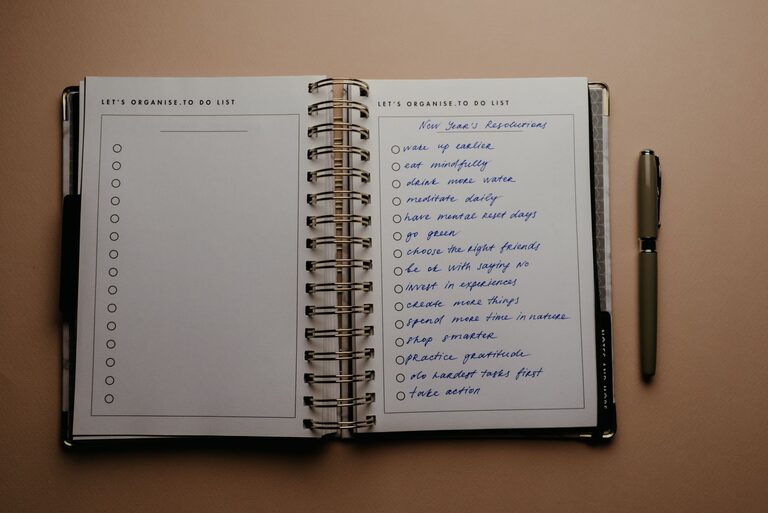
A notebook allows you to record more than a yes or no. You can note how long you practised, what made the habit easier, or what interrupted your plan. This is useful when you want to understand patterns over time.
Spreadsheet
A spreadsheet can be helpful for tracking several habits or reviewing weekly and monthly progress. Use simple columns, such as the date, habit, completed, and notes. Avoid adding so many details that updating the sheet becomes a chore.
Mobile app
A habit-tracking app can provide reminders, calendars, and progress summaries. Choose one with a straightforward design. Notifications should support your routine, not create unnecessary distractions.
Make the habit easy to start
Consistency becomes easier when you reduce the number of decisions required. Prepare your environment so the next step is obvious.
Try these adjustments:
- Place a book beside your chair if you want to read in the evening.
- Keep a water bottle where you usually work.
- Set out the items you need for a morning routine the night before.
- Keep your tracker in the same place as the activity you want to remember.
- Remove small barriers, such as searching for equipment or deciding what to do each time.
You can also connect a new habit to an existing routine. For example, write in your journal after brushing your teeth, review your plans after making coffee, or tidy your desk before shutting down your computer. This is often called habit stacking, but the basic idea is simple: use a familiar event as a reminder for a new action.
Set a minimum version
Some days will be busy, tiring, or unpredictable. A habit that only counts when you complete a full version may be difficult to maintain. Create a smaller version for challenging days.
Examples include:
- Read one page instead of a full chapter.
- Stretch for two minutes instead of completing a long session.
- Write one sentence instead of filling a full journal page.
- Organise one small area instead of the entire room.
- Review one task instead of planning the whole week.
The minimum version keeps the routine active and protects the connection between the reminder and the action. It is not a replacement for bigger efforts every day. It is a practical option for days when your usual plan does not fit.
Track completion without judging yourself
A tracker should provide information, not create guilt. Mark the habit honestly, including days when you completed only the minimum version. If you did not complete it, record that as well and look for the reason.
Ask helpful questions:
- Was the habit too large for my current schedule?
- Did I forget because there was no clear reminder?
- Was the timing inconvenient?
- Did another task or event interrupt the plan?
- What small change would make tomorrow easier?
This approach turns missed days into useful feedback. Avoid changing the record to make it appear perfect. An accurate tracker helps you make better decisions.
Use weekly reviews
A short weekly review can keep your habits aligned with your life. Set aside five to 10 minutes to look at your tracker and identify what worked.
Review:
- How many times you completed each habit
- Which days or times were most successful
- What obstacles appeared repeatedly
- Whether the habit still supports your current priorities
- One adjustment to try during the next week
Keep the review focused. You do not need a detailed report or a complicated score. A few notes can reveal useful patterns and help you improve your routine gradually.
Recover quickly after a missed day
Missing a day does not erase your progress. The important step is to return without turning one missed day into a long break. When you notice that you have stopped, restart with the smallest practical version of the habit.
You may also want to identify what caused the interruption. If your schedule changed, move the habit to a more reliable time. If the action felt too difficult, reduce its size. If you kept forgetting, add a visible reminder or connect it to an existing routine.
Rather than focusing on an unbroken streak, focus on returning consistently. A flexible habit that survives interruptions is more useful than a strict plan that works only under perfect conditions.
Keep your system simple
As your routine develops, resist the urge to track everything. A long list can make progress feel like paperwork. Track the habits that matter most and review them regularly.
A simple system might include:
- Three habits or fewer
- One clear reminder for each habit
- A quick daily mark
- A short weekly review
- One adjustment at a time
Consistency grows through repeated, manageable actions. Choose habits that fit your real schedule, make them easy to begin, and use your tracker to learn rather than criticise yourself. With a simple method and a willingness to adjust, you can build routines that remain useful over the long term.