

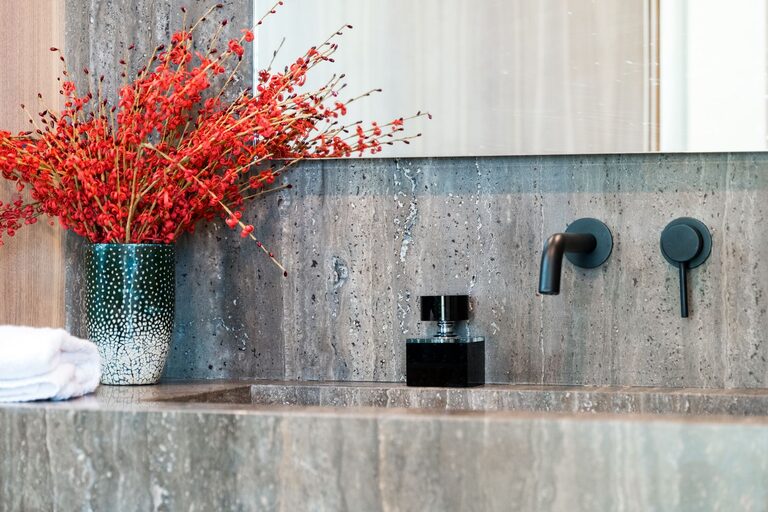
A minimalist bathroom is more than a room with fewer things. It is a space designed around simplicity, function, and ease. By reducing clutter and choosing practical, coordinated features, you can create a bathroom that feels calm, spacious, and easy to maintain.
Minimalism does not mean removing everything or choosing a cold, empty style. The goal is to keep what you use, display only what adds value, and give each item a clear place. Whether you are updating a large family bathroom or a small powder room, a thoughtful setup can make the space feel more comfortable and organised.
Start by Clearing the Clutter
Before choosing new products or storage, take everything out of the bathroom cabinets, drawers, shelves, and counters. Group similar items together so you can see what you actually have.
Create a few simple categories:
– Daily essentials
– Occasional-use items
– Spare supplies
– Items that belong elsewhere
– Products that are empty, expired, or unused
Be realistic about what you use. If several similar products are open at once, decide which one you will finish first. Keep everyday items easy to reach, while storing back-up supplies out of sight.
A clear starting point helps prevent a common mistake: buying more storage for items that you do not need. Once the room is edited, you can identify which storage solutions are genuinely useful.
Choose a Simple Colour Scheme
A limited colour palette helps a bathroom look more cohesive. Soft whites, warm neutrals, light grey, beige, and natural wood tones are popular choices for a minimalist setting. These colours can make the room feel brighter without requiring bold patterns or decorative accessories.
Try choosing:
– One main wall or tile colour
– One complementary colour for textiles and accessories
– One accent material, such as wood, stone, or brushed metal
For example, white walls, pale wood details, and muted green towels can create a soft and welcoming look. Alternatively, light grey tiles with white fittings and black accents can provide a clean, modern feel.
You do not need to remove every contrast. A few carefully chosen details can add character while keeping the overall design quiet and balanced.
Focus on the Essentials
A minimalist bathroom should support your routine. Start with the items you use every day and make sure they are comfortable, practical, and easy to access.
Essential features may include:
– A well-placed mirror
– Effective lighting
– A towel rail or hook
– A waste bin
– A soap dispenser
– A shower curtain or screen
– Storage for toiletries and cleaning supplies
Choose products that serve more than one purpose where possible. A mirrored cabinet, for example, can provide both reflection and hidden storage. A wall-mounted vanity can create useful floor space and make cleaning easier.
Avoid adding decorative pieces simply to fill empty areas. In a minimalist room, open space is part of the design.
Create Useful Storage
Good storage is one of the most important parts of a minimalist bathroom. The aim is not to hide everything without a plan, but to make daily items easy to find while keeping surfaces clear.
Use Vertical Space
If floor space is limited, look upwards. Wall-mounted cabinets, narrow shelves, and tall storage units can hold supplies without taking up much room. Open shelves work well for neatly folded towels or a small number of attractive containers, while closed storage is better for less appealing items.
Organise Inside Cabinets
Use small bins or trays to group items inside drawers and cupboards. Keep similar products together, such as hair care, shaving supplies, or first-aid items. This prevents loose bottles and packages from spreading across the storage area.
Consider using:
– Drawer dividers
– Stackable bins
– Small baskets
– Door-mounted organisers
– Clear containers for cotton pads or bath salts
Avoid filling every container to its maximum capacity. Leaving a little room makes it easier to put things away and keeps the system flexible.
Keep the Countertop Clear
A clear countertop can make the entire bathroom feel more spacious. Keep only the items you use several times a day in view. Place other products in a drawer, cabinet, or storage basket.
If you prefer to keep a few items out, use matching dispensers or a simple tray to create a tidy group. This is especially helpful for hand soap, hand cream, and a small hand towel.
Select Coordinated Fixtures and Accessories
You do not need to replace every fixture to achieve a minimalist look. Instead, focus on coordination. Matching finishes can make the room feel more considered, even when the fixtures are simple.
Common finishes include:
– Chrome
– Brushed nickel
– Matte black
– Brass
– White ceramic
Choose one main metal finish for taps, cabinet handles, towel rails, and other hardware. Mixing materials can work, but too many finishes may make a small bathroom feel visually busy.
Simple shapes usually suit a minimalist design. Look for clean-lined mirrors, plain towel rails, and storage with discreet handles. Avoid adding accessories with excessive patterns, lettering, or decorative details unless they have personal meaning.
Improve Lighting
Lighting affects how spacious and comfortable a bathroom feels. If possible, use a combination of general lighting and focused lighting near the mirror.
A practical lighting plan may include:
– A ceiling light for overall brightness
– Wall lights or a well-positioned fixture near the mirror
– Soft lighting for a relaxing atmosphere
Choose bulbs that provide clear, comfortable light. Very harsh lighting can make the room feel less inviting, while overly dim lighting may make everyday tasks difficult.
Keep window areas uncluttered so natural light can enter freely. A simple roller blind or lightweight privacy covering can provide privacy without making the room feel enclosed.
Choose Textiles Carefully
Towels, bath mats, and shower curtains can add warmth without creating clutter. Choose a small collection of textiles in colours that work with the rest of the room.
For a cohesive look:
– Use one or two towel colours
– Choose a simple bath mat with a low profile
– Select a plain shower curtain if a screen is not available
– Replace worn textiles rather than storing too many spares
Fold or hang towels neatly and keep extras in one designated area. If you have limited storage, store only the number needed between laundry days, along with a modest supply of clean replacements.
Add Natural and Personal Details
A minimalist bathroom can still feel personal. A small plant that suits the room’s light and humidity can add colour and texture. Other suitable details might include a framed print, a natural wood stool, or a handmade soap dish.
The key is to choose a few items intentionally. Ask whether each piece is useful, enjoyable, or both. One well-placed plant can have more impact than a collection of small decorations scattered around the room.
Use materials such as wood, cotton, bamboo, or stone to soften hard surfaces. These natural textures can make a simple bathroom feel warm rather than stark.
Build an Easy Cleaning Routine
Minimalist spaces are easier to clean when surfaces are not crowded. Make maintenance part of the setup from the beginning.
Keep basic cleaning supplies together in a labelled basket or cupboard. After using the sink or shower, take a moment to wipe away water and return products to their proper places. Regular small tasks can prevent larger cleaning jobs later.
A useful weekly routine might include:
– Wiping the sink, taps, and countertop
– Cleaning the mirror
– Washing towels and bath mats
– Scrubbing the shower or bath
– Checking supplies and removing empty containers
– Sweeping or washing the floor
Review the bathroom every few months. Remove products you no longer use, replace damaged accessories, and adjust storage if your routine has changed.
Make the Space Work for You
The best minimalist bathroom is not the one with the fewest items. It is the one that supports your daily habits without unnecessary effort. Prioritise comfort, accessibility, and easy cleaning over following a particular trend.
Start with decluttering, then improve storage, lighting, and layout in small stages. Choose a restrained colour palette, coordinate the details, and leave enough open space for the room to feel calm. With a practical plan, even a compact bathroom can become a simple, welcoming part of your home.